
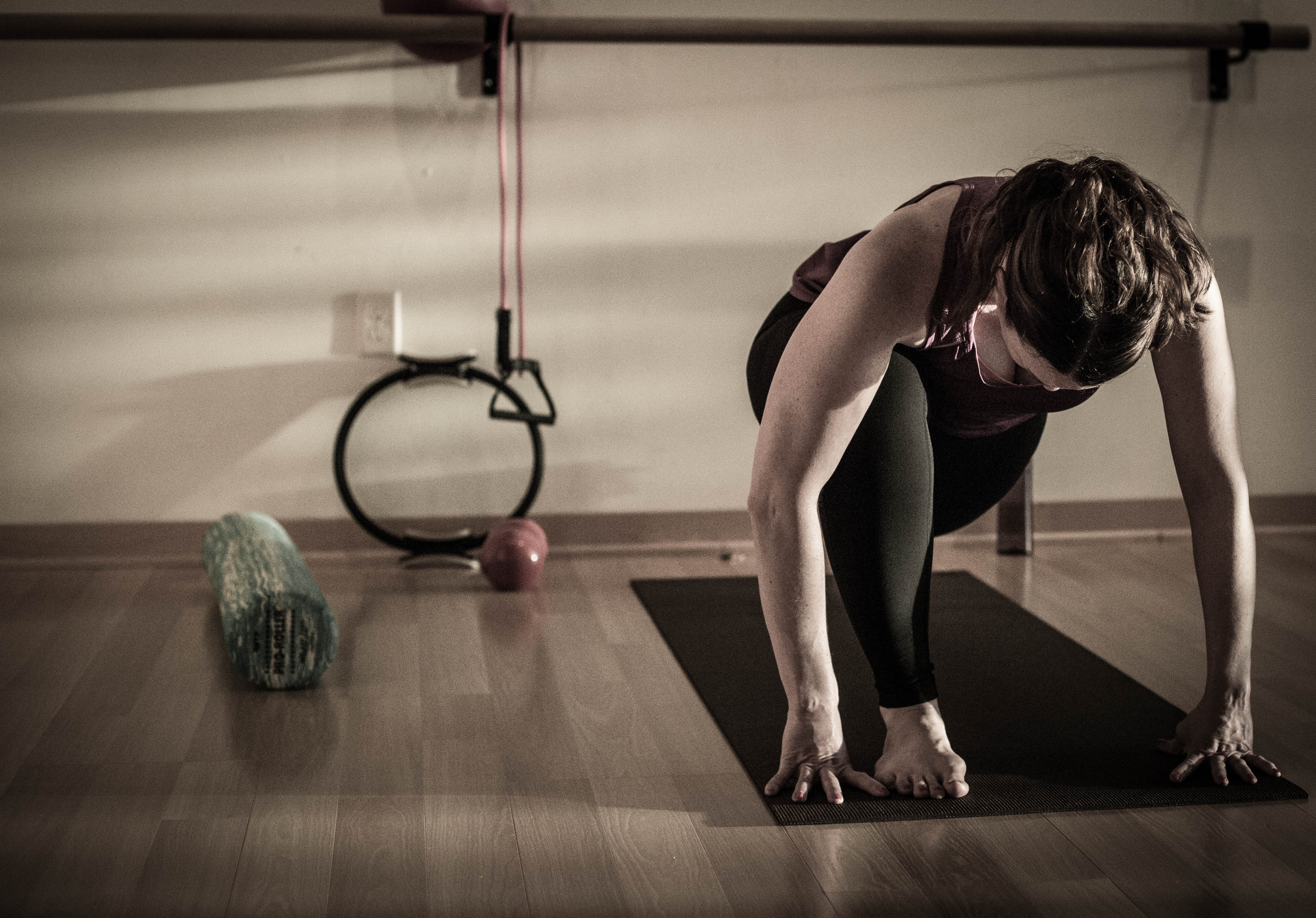
Walking into a barre class is semi-terrifying. There are people already stretching out and grabbing props like they know what’s what. Oh, and they know what all those props do. A playground ball? Weighted balls? A stretchy cord and a foam roller? And what-the-what is a “Magic Circle”?
Welcome to the first five minutes of barre. The first class is a little dizzying: there’s so much going on, it moves quickly, and you’re looking to the teacher and others and trying to learn how to make your body do what theirs is doing. It takes a class (or a month or a year) to find your rhythm… and about the time you do that, they’ll come up with a fun new “sumo squat” or the like, just to keep it interesting! Every class, every day, we’re all beginners at the barre.
What you will come to experience is an absolutely awesome mix of cardio, balance, and strength work in a really supportive community. The teachers help each student focus on form over speed, and offer modifications for everything. The best modification of all? If you need a rest or lose your place, just keep moving—do some jumping jacks or squats and get your bearings before you give it a go again.
The usual rhythm of a class is this. First, you’ll do some dynamic stretching to warm up, getting your hamstrings a little looser, your lungs a little more open, and your lower belly ready to work. Then you’ll move into a series of planks that really wake up your core. You’ll feel your strength right there, in one of the most basic moves possible.
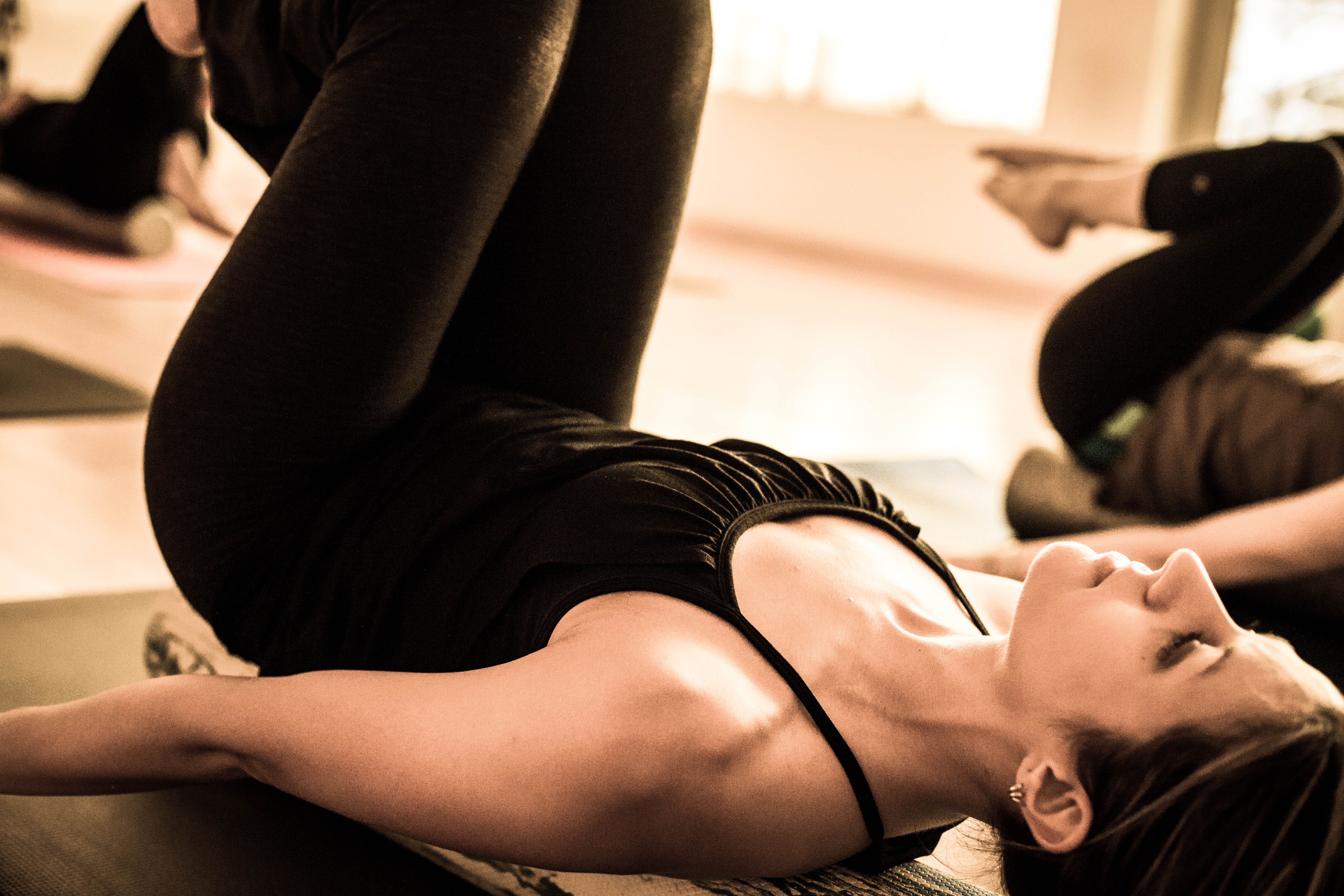
Then it’s time to flip over for core work, in an ab series based on Pilates. Some moves will be done on the floor, others with a foam roller or playground ball behind your back to add an element of balance.
Next we move into mountain climbers (this is when most of the class groans). These are like planks, but with movement. Now you’re getting your heart rate up, ready for a few songs of cardio! Jumping jacks, squats, a few weights, and some “fancy feet” or “football runs” are all on the table.
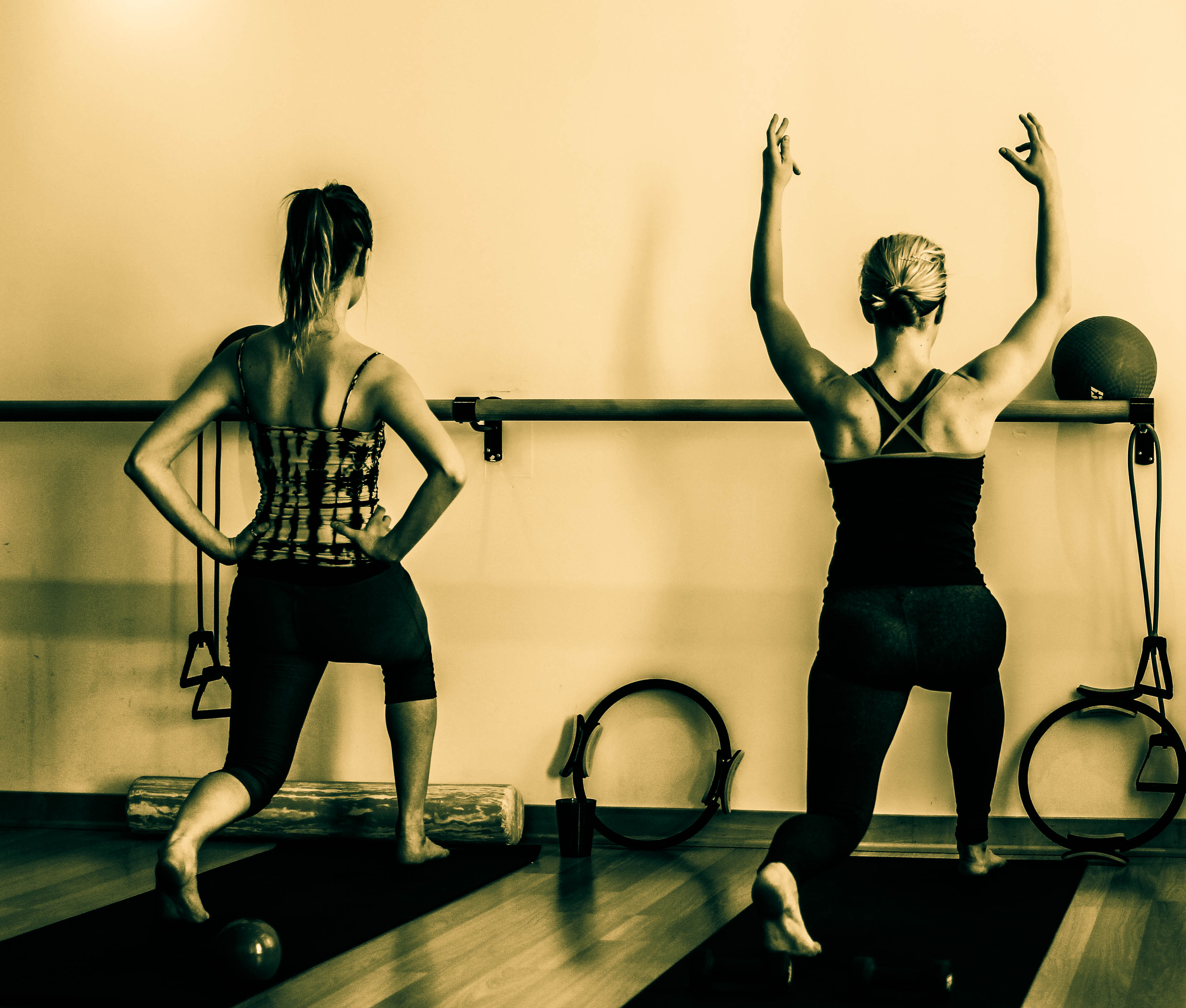
From cardio, it’s time to get some water, towel off, and start really exhausting those muscles at the barre. We start with simple ballet moves, lifting up onto the balls of the feet, at first slowly, then faster. Maybe you’ll add a balance (waving your hands in the air like you just don’t care! Or, more truthfully, just holding them there, hoping you look like a ballet dancer and trying to keep your abs engaged and your butt from jutting out…). The teachers get really creative here, with various combinations of lunges, squats, curtsies, and flat-back kicks, calling on everything from the big muscles of your quads and glutes to the little tiny muscles you’d never know to name (but might hurt a little tomorrow).
Then it’s on to some arms. The basics are plain old pushups—modified to your body—or you might use the stretchy cord (“resistance band”) to target your triceps or obliques (those are “back of arms” and “side muscles” in Letta-speak).
Finally, it’s time for the cool down: you’ve earned it! After an hour of a rollicking playlist, the joking of teachers and students, and the collective hard work everyone in the room has put in, it seems like we all spontaneously clap a little bit, putting away our props, rolling up our mats, and talking about whatever move felt hardest today.
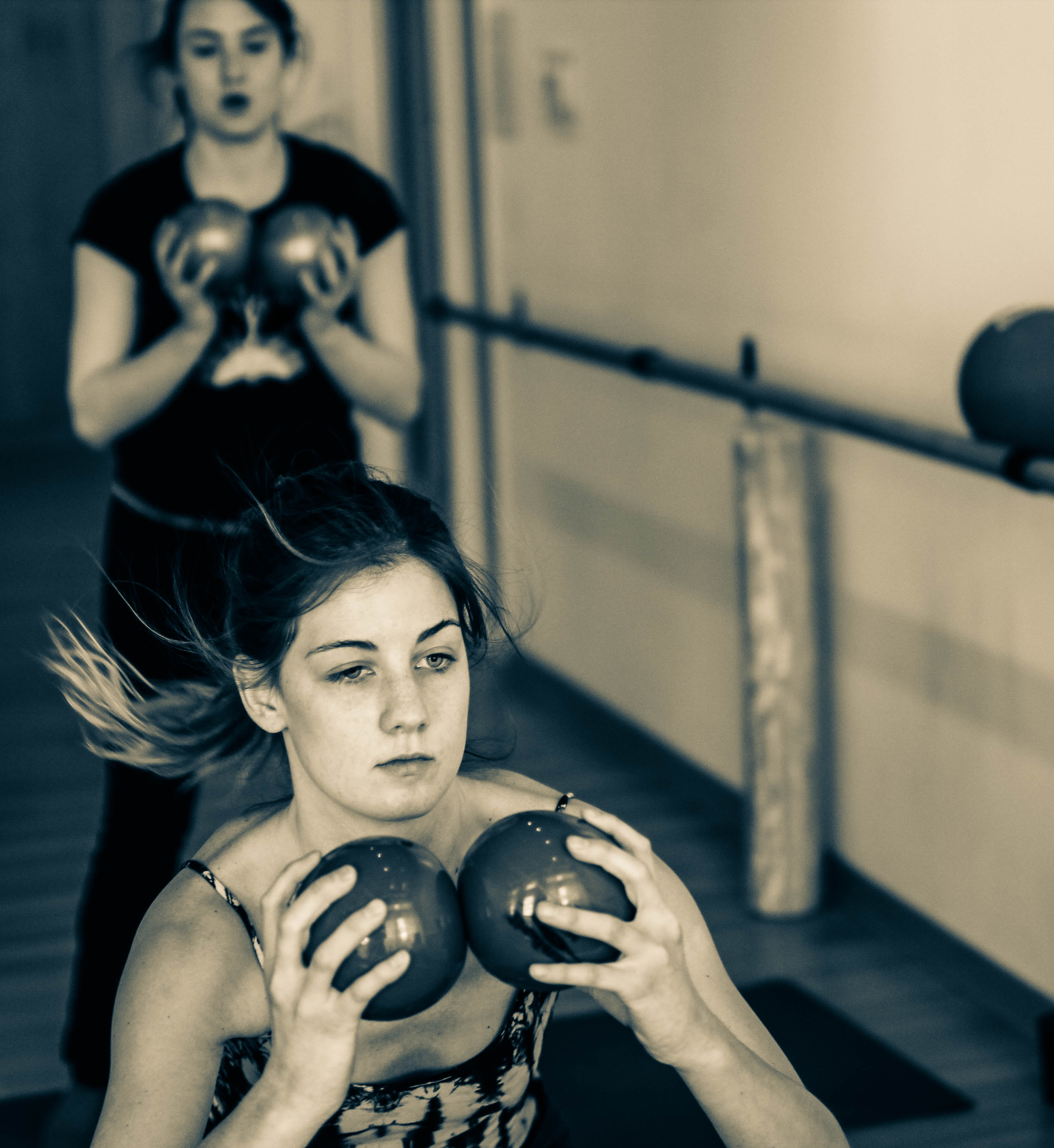
One of my favorite things about barre class is that it’s always changing. Not only are you switching up moves within the class, keeping your body both literally and figuratively on its toes, but each teacher has his or her own style and repertoire they employ to tailor each class to that day’s gathering of students. Six Degrees Barre is also an amazing experience of bonding over the fact that every body is different and each individual body is different every day. You learn that you’re stronger than you thought, less coordinated than you expected; that one day you’re light as air, and others you gravitate toward the floor work. It’s a tiring, but invigorating introduction to your body, as it is, today.
Oh, and those quaking muscles? Teacher Heather Runman tells me that’s just your body changing through movement. I think she means it’s a good thing!
Pro-tips (and prop tips!):
- The weighted balls are different weights. Yellow is the lightest, then red, then green, then blue. If you have trouble holding these weights (I have small hands), grab a set of hand weights, too. The weighted balls are used for other moves, so it’s good to have at least one, even if you’re using hand weights.
- The resistance bands come in different “weights,” too. Check the little chart to decide where you’d like to start. Purple is the least resistance and best choice if you’re not sure.
- Similarly, the rollers are different densities. For core work, the squishiest, pink rollers are the most challenging, while the silver ones provide the most support.
- When the teacher suggests a “quick child’s pose,” this is your chance! Quickly, quickly shift back and drop your forehead to the ground (if it’ll get there). This is great rest for your neck.
- The studio provides hand towels for class, stocked in the locker rooms. Grab one! Also: bring water. If you forget a bottle, there are cups and water in the main office. Bring a mat (make it a “skinny” one—the puffy mats are great for Asana Stretch Class, but they’re too unstable for the balance work of barre). If you forget your mat, you can rent one for $1.
- A sports bra is a good idea.
- So is a shirt that you don’t have to think about (that is, it doesn’t fly up over your head in downward dog or force you to tug it into place after jumping jacks).