
 Fooled you! Don’t worry, we can totally help you out with a strong body core—Pilates, Barre, and yoga will all help build up those abs and obliques, strengthen your back, and give you better posture. But the core I want to talk about here is a little deeper: your core needs as a happy, healthy human.
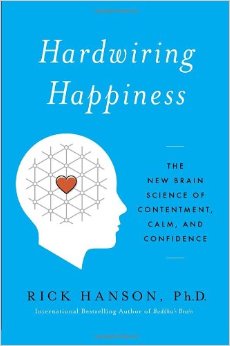
In a recent interview in The Atlantic for an article titled “How to Build a Happier Brain,” neuropsychologist Rick Hanson talks about his new book Hardwiring Happiness: The New Brain Science of Contentment, Calm, and Confidence. Specifically, Hanson is asked: Could you talk a little more about those core needs—safety, satisfaction, and connection, and how to meet them?
There are certain kinds of key experiences that address key issues. For example, experiences of relaxation, of calming, of feeling protected and strong and resourced, those directly address issues of our safety system. And having internalized again and again a sense of calm, a person is going to be more able to face situations at work or in life in general without getting so rattled by them, without being locked into the reactive mode of the brain.
In terms of our need for satisfaction, of experiences of gratitude, gladness, accomplishment, feeling successful, feeling that there’s a fullness in your life rather than an emptiness or a scarcity. As people increasingly install those traits, they’re going to be more able to deal with issues such as loss, or being thwarted, or being disappointed.
Lastly, in terms of our need for connection, the more that people can have a sense of inclusion or a sense of being seen, or appreciated, or liked or loved; the more that people can cultivate the traits of being compassionate, kind, and loving themselves, the more that they’re going to be able to stay in a responsive mode of the brain, even if they deal with issues in this connection system like being rejected or devalued or left out by somebody else.
These are incredible lessons for how to both be well and feel well in our lives and our bodies. Look around you today and consider how you can support a focus on recognizing, experiencing, and learning from both negative and positive experiences in your day. How can you be truly mindful, and how will that help you as you move from moment to moment?
Here’s Dr. Hanson talking about his research in a recent TEDx talk: